
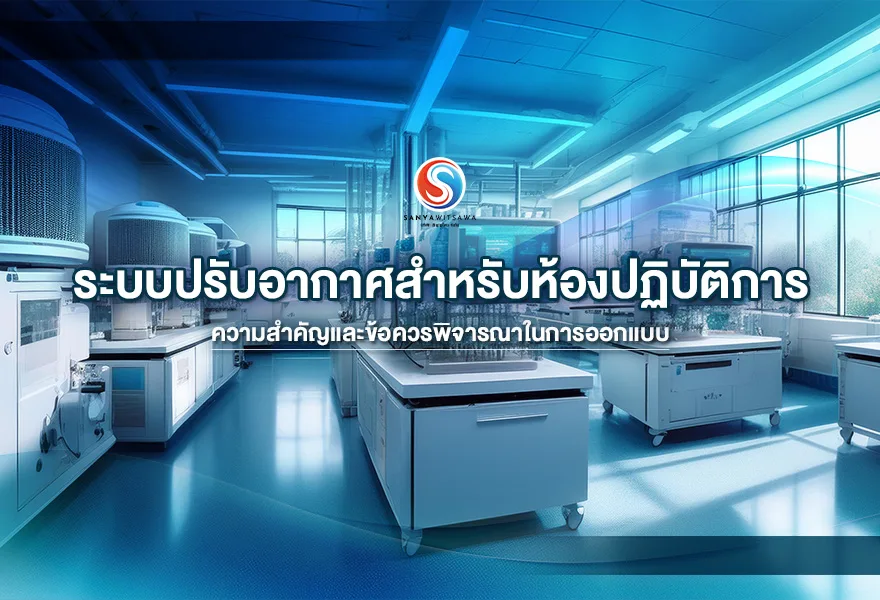
Laboratory Air-Conditioning Systems: Importance and Key Design Considerations
Laboratories are critical spaces for research, testing and the development of all kinds of products, and they require precisely controlled environments in order to deliver accurate, trustworthy results. The air-conditioning system therefore plays a vital role in creating an environment suitable for laboratory work. This article takes an in-depth look at the importance of air-conditioning in the laboratory, together with key design considerations focused on temperature and humidity control, contamination prevention and ventilation.
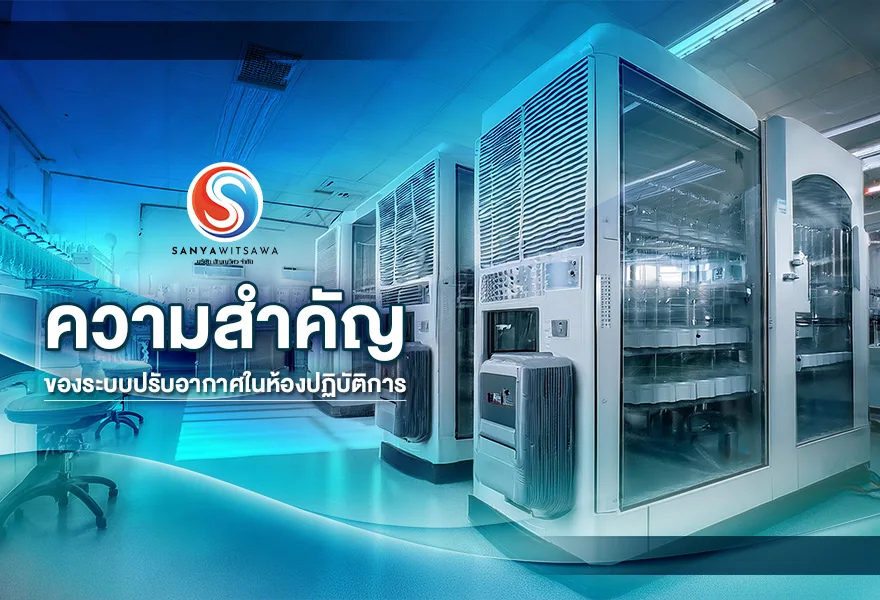
The Importance of Air-Conditioning in the Laboratory
The primary function of a laboratory air-conditioning system is to keep temperature, humidity and air quality at appropriate levels, which in turn affects the following critical factors:
- Accuracy of test results — inappropriate temperature and humidity can affect chemical reactions, test samples or equipment, leading to erroneous results.
- Safety — the air-conditioning system helps reduce the risk of fire or explosion from temperature-sensitive chemicals.
- Health and safety of personnel — a comfortable environment allows staff to work efficiently and reduces the risk of health problems caused by unsuitable air.
- Contamination prevention — the air-conditioning system helps protect test samples and equipment from dust, pathogens and other chemical contaminants.
Key Considerations in Designing a Laboratory Air-Conditioning System
Temperature and Humidity Control
- Define the appropriate temperature and humidity ranges — these depend on the type of laboratory and the work performed; for example, a biological laboratory may require a lower temperature than a chemistry laboratory.
- Choose an air-conditioning system capable of precise temperature and humidity control, such as a variable refrigerant flow system (VRV/VRF) or a chilled-water (Chiller) system.
- Install temperature and humidity sensors to continuously monitor and control the environment within the laboratory.
2. Contamination Prevention
- Use a HEPA filter (High Efficiency Particulate Air Filter) or a ULPA filter (Ultra Low Penetration Air Filter) in the air-conditioning system to capture fine particles such as dust, pathogens and chemicals.
- Design the airflow circulation appropriately to prevent cross-contamination between rooms.
- Install an Air Shower or Pass Box to reduce contamination from outside.
3. Ventilation
- Calculate the appropriate ventilation rate to ensure that enough fresh air is brought into the laboratory and that hazardous chemicals can be removed effectively.
- Install Local Exhaust Ventilation in areas where hazardous chemicals are used, in order to capture and remove chemical vapours.
- Inspect and maintain the ventilation system regularly to ensure it operates efficiently.
4. Equipment Selection
- Choose high-quality equipment that can withstand the demands of the laboratory environment.
- Consider whether a split-type (Split Type) or centralised (Central Air Conditioning) system is more appropriate for the space and the budget.
5. Maintenance
- Clean and replace air filters on schedule.
- Inspect the operation of the air-conditioning system regularly.
- Maintain a preventive-maintenance plan to reduce the risk of problems.
Noteworthy Technologies for Laboratory Air-Conditioning
- VRF/VRV air-conditioning systems can control the temperature of each room independently, saving energy and adding flexibility in use.
- Intelligent control systems use sensors and automation to adjust the air-conditioning to suit the environment and how the space is used.
- ULPA-grade HEPA filters offer higher filtration efficiency than standard HEPA filters, making them suitable for laboratories that demand very high cleanliness.
- Remote monitoring and control systems allow the air-conditioning system to be monitored and controlled remotely via computer or smartphone.
Choosing a Provider to Design and Install Your Air-Conditioning System
Selecting a provider with the expertise and experience to design and install air-conditioning systems for laboratories is essential to obtaining a system that is efficient, safe and standards-compliant.
Sanyawit — Laboratory Air-Conditioning Specialists
With extensive experience and expertise in designing, installing and maintaining laboratory air-conditioning systems, Sanyawit is ready to provide comprehensive consultation and service to help ensure your laboratory has an air-conditioning system that is standards-compliant, efficient and safe.
Sanyawit designs and installs clean rooms, sterile rooms and clean rooms to the standards of leading hospitals nationwide. When you need effective contamination control from a highly experienced team, look no further than Sanyawit.